One small, seemingly harmless moment changed everything for Katy Grainger.
In 2018, Katy noticed a purple sore on her thumb. After visiting a clinic and being sent home with antibiotics, she figured she would soon be on the mend. But within 36 hours, her condition rapidly deteriorated. Alone and growing weaker, she texted a friend: “I have never been so sick.”
By the time help arrived, Katy was nearly unresponsive.
She was rushed to the hospital in septic shock — her blood pressure dangerously low, her body shutting down. Without knowing the exact cause of the infection, doctors were forced to use every tool available, including aggressive treatment with IV fluids, oxygen, and broad-spectrum antibiotics. As Katy’s condition worsened, she was intubated and placed into a medically induced coma before being airlifted to a trauma center.
Then, a troubling realization. Katy was suffering from an antibiotic-resistant infection. Doctors worked around the clock to stabilize her, but the damage was irreversible.
“Bacteria have gotten smart, and they’re able to evade our existing mechanisms of action,” explains Dr. Akhila Kosaraju, CEO and President of Phare Bio.
Dr. Kosaraju and her team are using artificial intelligence (AI) to potentially revolutionize the development of better, more effective antibiotics. “Instead of a 1/1000 success rate,” she asks, “what if that was a one in ten success rate?”
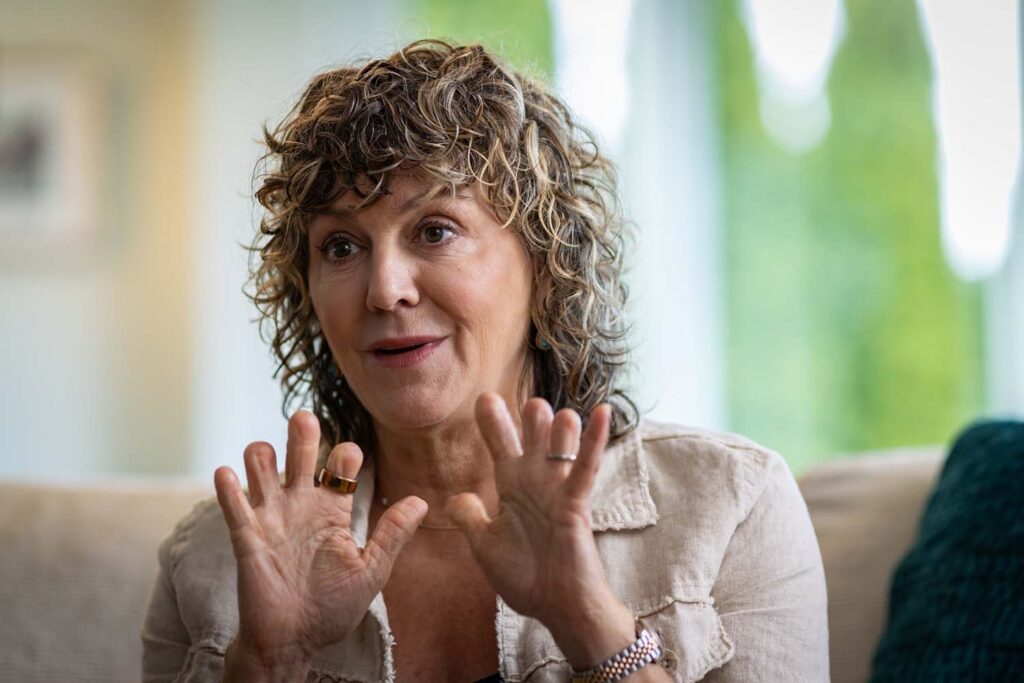
For Katy, what followed was a fight for survival.
She developed multiple organ failure and a severe blood-clotting condition known as disseminated intravascular coagulation (DIC), which cut off blood flow to her extremities. Her family watched helplessly as her hands and feet turned purple from lack of oxygen. Monitors that once detected a pulse began to fall silent in parts of her body.
After weeks of treatment, Katy survived the infection, but she now faced the unimaginable: both of her legs had to be amputated below the knee, along with seven of her fingertips.
Her fight wasn’t over.
Over the next 18 months, she gradually rebuilt her strength, relearning how to walk, drive, swim, and even snowboard — regaining her independence step by step with prosthetics.
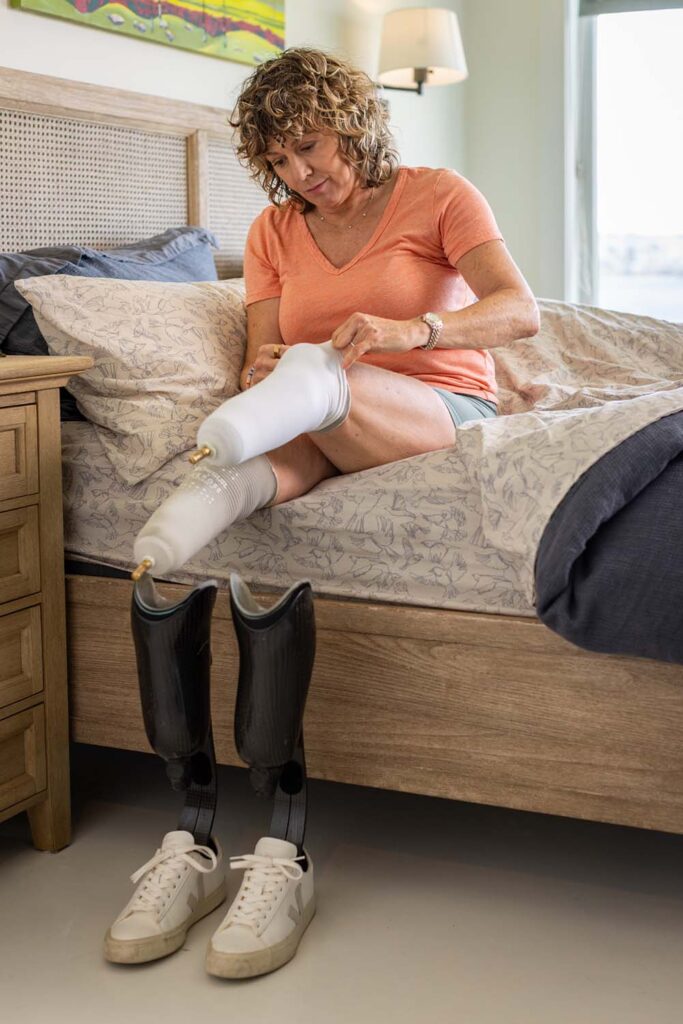
Faced with no choice but to move forward, Katy found purpose by helping others through storytelling, using her voice as a tool for action. Along the way, she joined a nonprofit where she fights for faster diagnosis, better treatment, and greater awareness of sepsis and the dangers of antibiotic resistance.
“I’d been looking for purpose in my life, so I decided to start sharing awareness about what happened with me,” Katy says. “It’s really gotten out into the world and grown into this beautiful thing.”
Dr. Kosaraju believes AI offers a powerful opportunity to change what’s possible in antibiotic discovery, accelerating the search for new treatments in a field long plagued by underfunding and scientific attrition. “We have compounds we test … and these [AI] models then learn the structures that are best able to kill those particular bacteria.”

Today, Katy Grainger is a proud grandmother and advocate. She is known for her resilience, warmth, and unwavering positivity.
Katy’s story illustrates how quickly infection can escalate — and why innovation matters to all of us. Antibiotic‑resistant bacteria don’t discriminate. From routine surgeries to childhood strep throat, modern medicine depends on effective antibiotics.
As patients like Katy rebuild their lives, the urgent work to discover new treatments continues. Her story reminds us that sustained investment in science isn’t abstract. It’s personal, and it’s essential.